
Campervan & motorhome equipment · United Kingdom
Full-Time & Off-Grid
Find equipment for your build. Narrow the range by brand, product type, budget and availability.
Filter products
Affiliate price ranges use the recorded starting quote. Products without a recorded price appear last in price sorting and are excluded when a price range is applied.
Loading the full product range…










No products match these filters. Clear a filter or try a broader search.
Read the buying guide
Living in it, working in it, through a British winter.
The reference load is 850Wh a day: compressor fridge, diesel heater on low, lighting, a laptop and phones, and the usual pumps and oddments. Full time builds cluster around that figure until someone adds induction cooking or air conditioning, at which point it doubles.
Winter is the design constraint
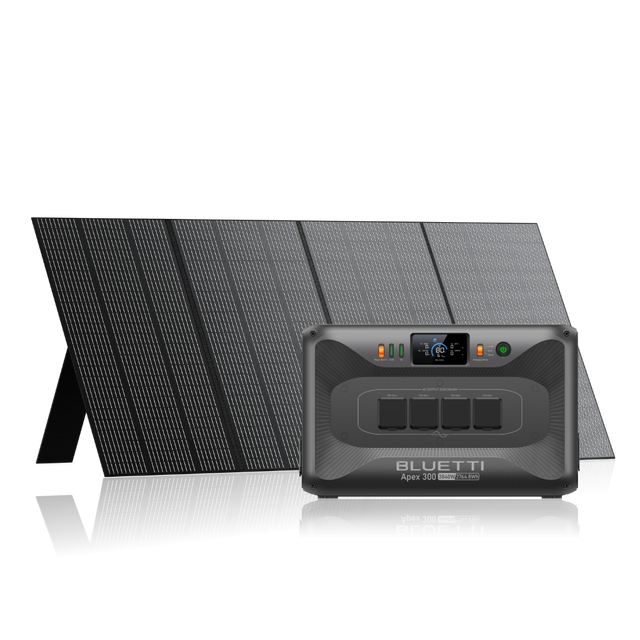
From November to February a UK van roof generates a fraction of its summer yield. A 350W panel that returns 1,400Wh on a clear June day returns 250 to 400Wh on a clear December day, and 60 to 150Wh under cloud. Meanwhile the heater is running and the nights are sixteen hours long.
No portable solar array closes that gap. Two things do: capacity to sit out the dark stretches, and alternator charging to refill on the move. Systems here combine both.
Sizing for the worst day
| Capacity | Days at 850Wh | Suits |
|---|---|---|
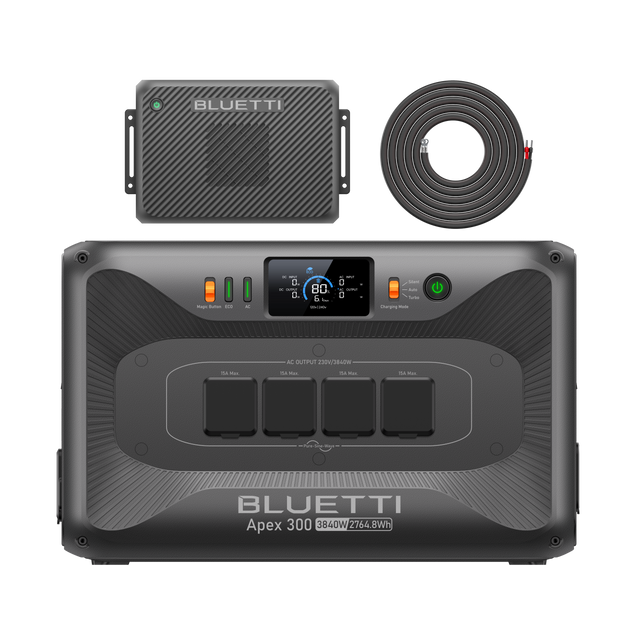
| 2,764.8Wh | 3.2 days | Full time with weekly driving |
| 5,529.6Wh | 6.5 days | Full time, static stretches, winter |
| 8,294.4Wh | 9.75 days | Large vehicles, gas free builds, mobile businesses |
Check your payload
A high capacity system is a serious weight, and a great many DIY conversions sit closer to their 3.5 tonne limit than the owner realises. Weigh the vehicle before committing to a second or third battery. If payload is tight, one unit plus a 1,200W alternator charger delivers the same practical result for a fraction of the mass.