
Campervan & motorhome equipment · United Kingdom
Solar Panels
Find equipment for your build. Narrow the range by brand, product type, budget and availability.
Filter products
Affiliate price ranges use the recorded starting quote. Products without a recorded price appear last in price sorting and are excluded when a price range is applied.
Loading the full product range…

No products match these filters. Clear a filter or try a broader search.
Read the buying guide
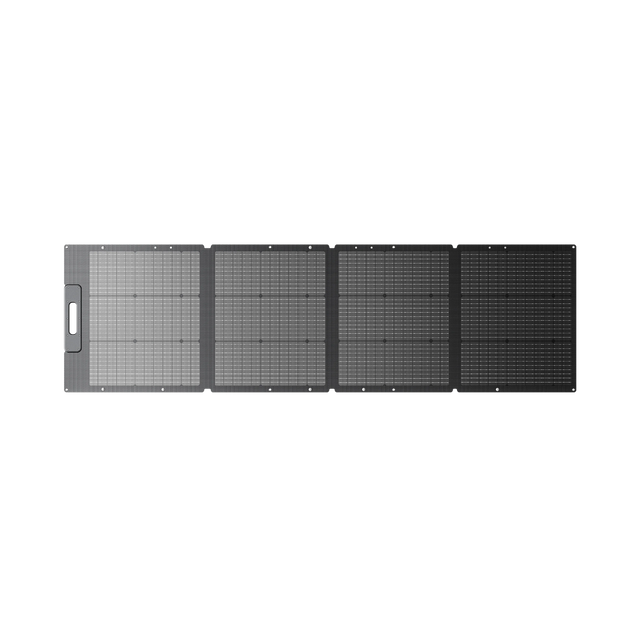
Foldable panels that live in the van and come out when you park.
Why portable beats roof mounted
- Park in shade, put the panel in sun. In July that is worth more than the extra wattage a hot roof array would give you.
- Angle it. Tilting toward a low winter sun roughly doubles output against a flat roof mount.
- No holes in the roof. No sealant to fail in five years, no change to your vehicle height, no effect on resale.
The trade off is honest: a portable panel generates nothing while you drive, and you have to remember to pack it away.
Realistic UK output
Rated output is a laboratory figure measured under ideal conditions. These are the numbers that matter, for a panel propped and roughly angled.
| Panel | June clear | June overcast | Apr and Sep clear | Dec clear |
|---|---|---|---|---|
| 100W | 400 to 500Wh | 120 to 180Wh | 250 to 350Wh | 70 to 115Wh |
| 200W | 800 to 1,000Wh | 230 to 350Wh | 500 to 700Wh | 140 to 230Wh |
| 350W | 1,400 to 1,750Wh | 400 to 600Wh | 900 to 1,200Wh | 250 to 400Wh |
Which size
A weekend build draws 400 to 600Wh a day, so a 200W panel covers it from April to September. A full time build draws around 850Wh, which needs 350W to stay net positive through the shoulder seasons.
No portable panel carries a UK van through December. That is what alternator charging is for, and it costs less than a second panel.